
Dubai Real Estate Transactions in 2026 What Buyers Need to Know
Introduction
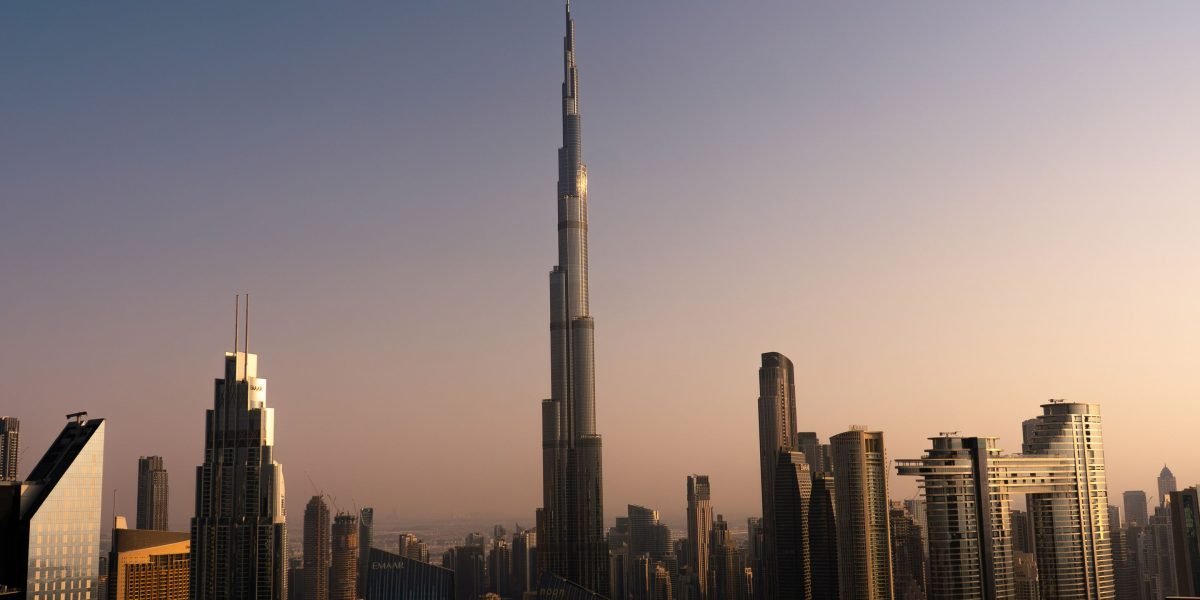
Dubai’s real estate market is on fire in 2026. It keeps smashing records and drawing investors and homebuyers from every corner of the globe.

In fact, the second quarter of 2025 already delivered the strongest quarterly performance ever, with over 53,000 sales transactions worth AED 184.3 billion, according to the Property Finder report on Dubai’s record-breaking Q2 2025 sales.
And that momentum has carried straight into 2026.
But here is the thing. Even with this massive boom, many buyers and investors still feel lost. The market can be hard to read. Legal steps are confusing. And there is so much information flying around that it is easy to feel overwhelmed.
That is exactly why we built this guide. We use real data from official sources like the Dubai Land Department and top market analysts. We break down the latest dubai real estate transactions in plain language. We explain how to buy property in 2026 step by step, and we share honest expert forecasts. Our goal is simple: help you make confident decisions, whether you are buying your first home or adding to a global portfolio.
We cover everything from off-plan trends to ready property prices, from the hottest communities to the smartest timing. If you want a full picture first, check out our comprehensive Dubai Real Estate Market 2026 guide before diving deeper.
Ready to understand the market without the headache? Let us get into the numbers and insights that matter most this year. And if you want personalized help, you can always get a FREE Dubai Real Estate Consultation with Ayaz Salman to talk through your specific situation.
Dubai Real Estate Market Overview in 2026
Let’s look at the bigger picture. The record-breaking stats you saw in the introduction were just the beginning of a much larger story.
The full-year data for 2025 paints an incredible picture of growth. According to the Dubai Real Estate Transactions Report 2025, the market recorded nearly AED 500 billion in sales from over 158,000 transactions by the end of the third quarter. Ready properties saw a massive surge as more people decided to buy rather than rent. This strong foundation has set the tone for an even more active 2026.
One major trend driving the market is the shift toward off-plan properties. In Q1 2025 alone, the Dubai Q1 2025 residential market insights showed that off-plan sales accounted for almost 69% of all transactions. Buyers are putting their trust in Dubai’s future developments. This appetite for new projects has only grown stronger in 2026.
So which communities are getting the most attention? Areas like Jumeirah Village Circle (JVC), Dubailand, and Business Bay are consistently topping the sales charts. If you are curious about the heart of the city, you can find detailed Downtown Dubai property insights showing strong demand and price growth. These locations offer a great mix of lifestyle appeal and solid investment returns.
The momentum has not slowed down in 2026. Official records from the Dubai Land Department show that transaction values continue to climb, driven by both local and international investors. The market remains liquid and confident.
For buyers looking at specific hotspots, Business Bay stands out as a top choice. It offers stunning city views and quick access to Dubai’s main attractions. You can explore current options with our guide to apartments for sale in Business Bay. Whether you are looking for a home or an investment, the data shows that acting in 2026 puts you in a strong position.
Key Factors Driving Dubai Real Estate Transactions
So what is behind all this activity? Several powerful forces are working together to keep the market strong.
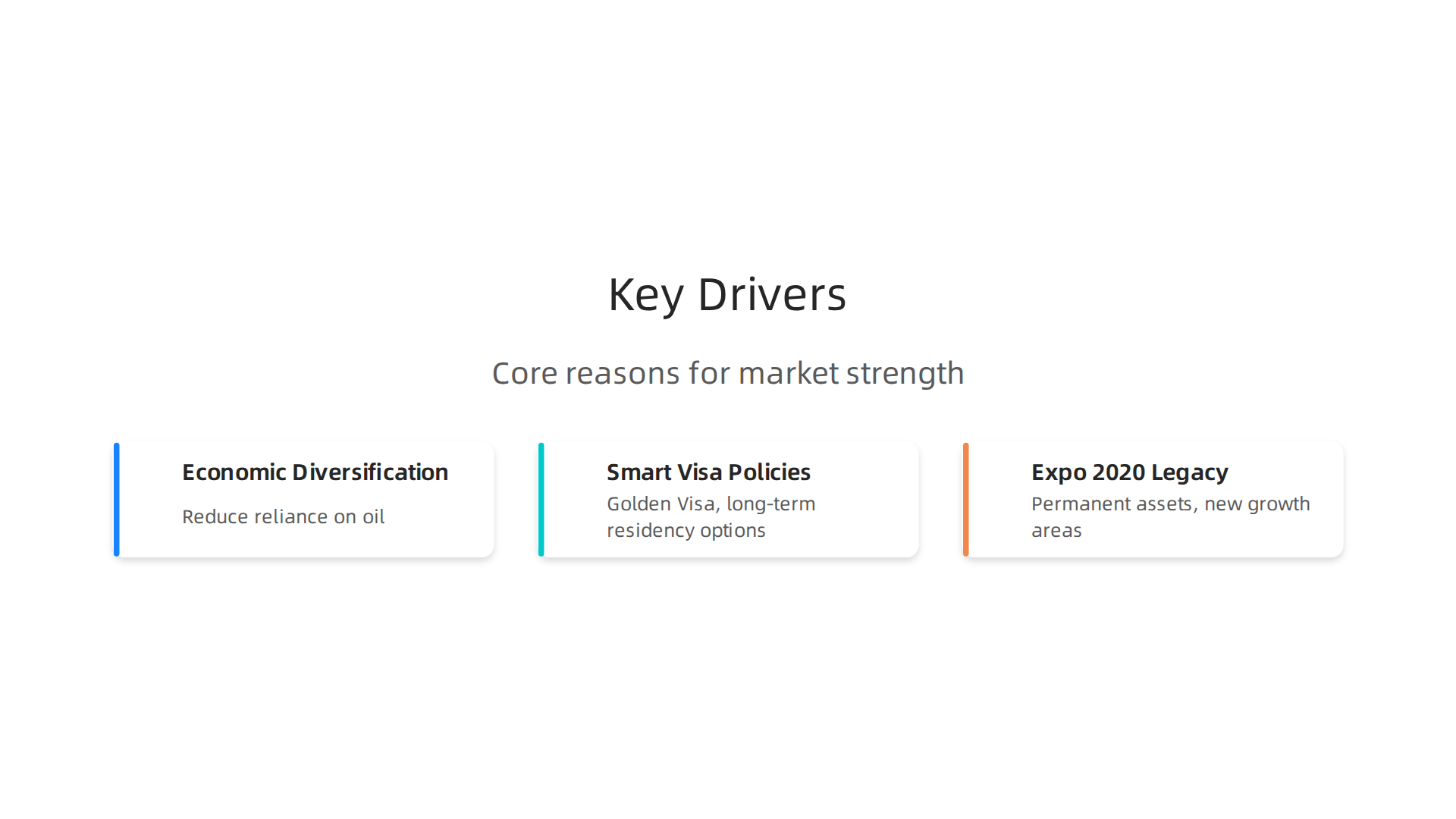
Understanding these drivers helps you see why now is such an interesting time to buy.
The first big factor is the UAE’s focus on economic diversification. The country has worked hard to reduce its reliance on oil. Non-oil sectors like tourism, trade, financial services, and yes, real estate, now lead the economy. This creates a positive cycle where a strong economy attracts people and businesses, which in turn drives demand for housing. As one recent report shows, strong underlying fundamentals such as ongoing population growth and economic diversification continue to support long-term demand. This is a key reason why many experts do not expect a dubai property market crash anytime soon.
Alongside economic strength, the UAE government has introduced smart visa policies that make it easy for foreign buyers to invest. The Golden Visa program, for example, offers a 10-year residency to anyone who buys property worth at least AED 2 million. This applies to off-plan and mortgaged properties too. Other long-term residency options, including retirement visas, have also opened the door to more international buyers. These policies have changed the profile of who buys real estate in Dubai. Instead of short-term flippers, the market now attracts serious investors who plan to stay. The Dubai real estate market outlook from Knight Frank highlights that global high-net-worth individuals are settling in Dubai, drawn by its safety, infrastructure, and lifestyle.
Another major factor is the legacy of Expo 2020. The infrastructure built for the event did not just disappear. Roads, transport links, and entire communities like Expo City Dubai have become permanent assets. These developments continue to attract residents and investors. They also unlock new areas for growth, creating opportunities for those looking to invest in prime locations throughout Dubai. The combination of world-class infrastructure and forward-thinking government policy makes the current market uniquely stable.
All of these factors point in one direction. The Dubai real estate transactions market in 2026 is not just about luck or hype. It is built on solid foundations that are likely to keep the market healthy for years to come.
If you are ready to explore your options, you can book a FREE Dubai Real Estate Consultation to get personalized advice on the best opportunities for your needs.
Top Areas for Buying and Investing in 2026
With so many neighborhoods to choose from, knowing where to put your money can feel overwhelming. But here is the good news. Some areas in Dubai have proven themselves over and over again. Others are just starting to shine.
The tried and true freehold communities remain the safest bet for most buyers. Places like Dubai Marina, Downtown Dubai, and Palm Jumeirah continue to attract strong demand. Why? Because supply in these prime spots is limited, and their lifestyle appeal is hard to beat. If you are looking for steady capital appreciation and high resale value, these areas should be at the top of your list. For a closer look at one of the most popular communities, check out this guide to apartments for sale in Business Bay Dubai and see why buyers keep flocking there.
But what about rental income? That is where the numbers get really interesting. Dubai offers some of the highest rental yields in the world. According to the latest Dubai Real Estate Market Reports Research and Guides from Engel & Voelkers, investors can expect gross rental yields between 5 and 8 percent depending on the area. Even with a slight cooling in annual rental growth in early 2026, prime neighborhoods still deliver strong returns. That makes a real estate Dubai buy decision much easier when you can see the potential income clearly.
Now, let us talk about the up and coming communities. Dubai South and Al Shamkha are two names you hear more and more often. These areas offer lower entry prices and big upside potential as infrastructure continues to develop. Dubai South, in particular, benefits from its proximity to the new Al Maktoum International Airport and Expo City Dubai. As the city grows outward, these locations will likely see strong demand from both families and investors.
If you are considering a dubai real estate sale in the future, picking the right location now is everything. Established areas give you safety. Emerging areas give you growth. A balanced approach often works best.
Still unsure which community fits your goals? The market is full of opportunity, and a quick chat with a local expert can save you time and money.
Step-by-Step Buying Process for Expats and Investors
Once you have your target area in mind, it is time to understand the buying process. Do not worry, it is simpler than it sounds. Dubai has a clear system that protects both buyers and sellers. Here is exactly how it works.
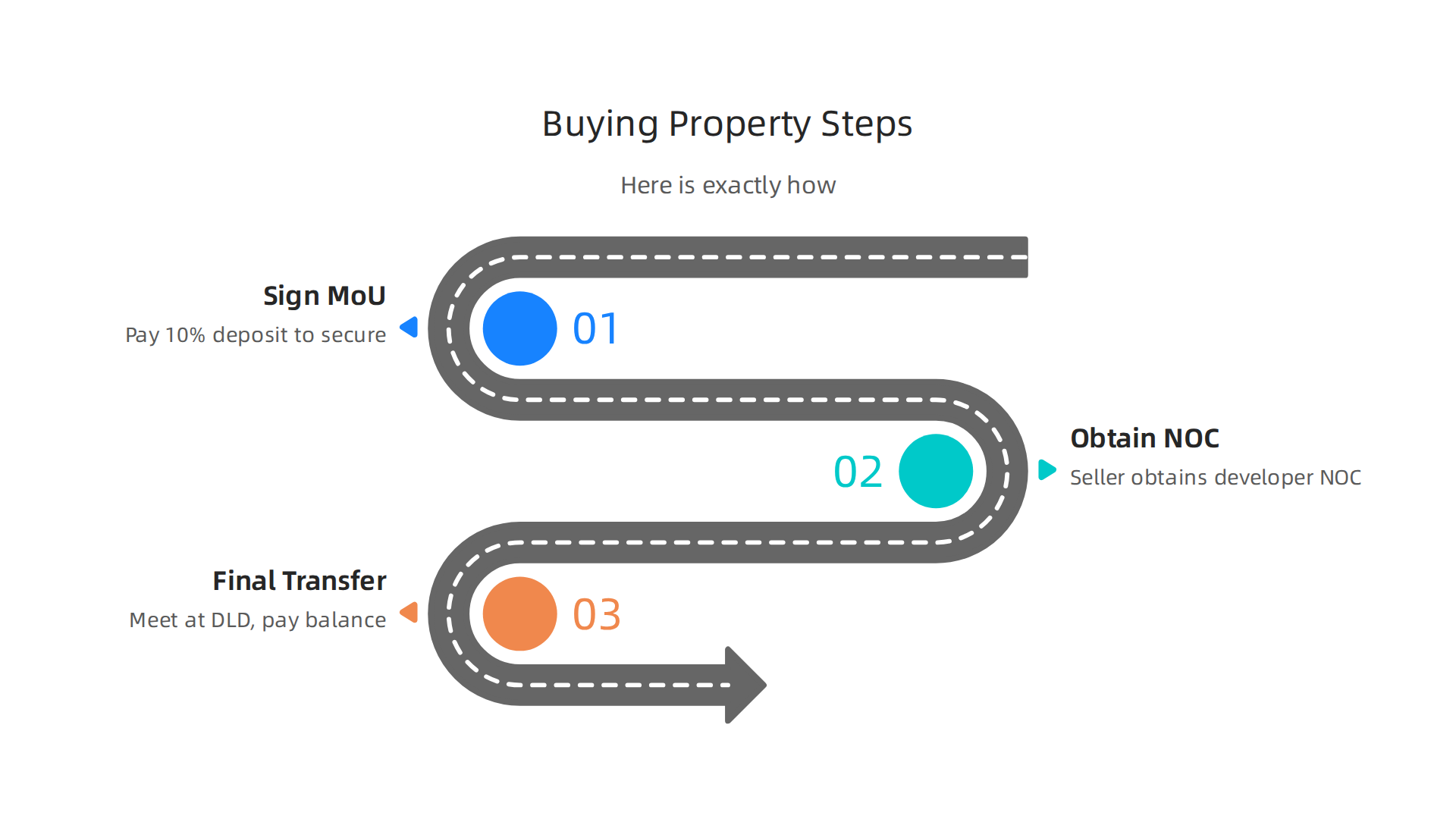
The typical Dubai property transaction starts when you find a property and agree on a price with the seller. You will sign a Memorandum of Understanding, also called Form F. This document outlines the sale terms. At this stage, you pay a deposit, usually 10 percent of the purchase price, to secure the property. This step officially begins the dubai real estate transactions process.
Next, the seller must get a No Objection Certificate from the developer. The NOC confirms there are no unpaid service charges or debts on the property. This step usually takes a few days. The cost for the NOC ranges from AED 500 to AED 5,000, depending on the developer.
After the NOC is ready, both parties meet at the Dubai Land Department or an approved trustee office for the final transfer.

You will need to bring your passport, valid UAE visa copy, Emirates ID, and proof of funds or a bank statement. The buyer pays the remaining balance, and the DLD charges a transfer fee of 4 percent of the purchase price. There is also a registration trustee fee of AED 4,000 for properties over AED 500,000. Your agent will collect a commission, typically 2 percent of the price plus VAT.
For a real estate dubai buy, expect the entire process to take between two and six weeks. That timeline includes document checks and financing if you use a mortgage. If you are selling, a dubai real estate sale follows the same steps in reverse, with the seller providing the NOC and attending the transfer.
For a detailed walkthrough of each legal step, read this guide on the legal procedures to buy property in Dubai. It covers the paperwork and what to expect at every stage.
Worried about a dubai property market crash? The UAE government has strong regulations in place. Market swings are normal, but the long-term trend for prime areas remains positive. Buying in the right community with proper due diligence is your best protection.
If you want a step-by-step breakdown specific to apartments, check out this guide on how to buy an apartment in Dubai. It explains the differences for off-plan and ready properties.
The buying process in Dubai is designed to be transparent and efficient. You just need the right information and a trusted partner to guide you.
Ready to start your property search? Get your FREE Dubai Real Estate Consultation with Ayaz Salman today. He will walk you through the entire process and help you find the perfect property for your needs.
Legal and Regulatory Landscape for Property Transactions
You now know the steps to buy property. But what makes Dubai one of the safest places in the world for a real estate dubai buy? The answer lies in the strong legal framework built by the government. Understanding these protections helps you feel confident and removes any worry about a dubai property market crash.
The Dubai Land Department, or DLD, is the main government body that manages all property matters in the emirate. Working under the DLD is the Real Estate Regulatory Agency, known as RERA. RERA oversees developers, real estate agents, and every property project. They enforce the rules so that everyone operates fairly.
One of the most important protections for buyers is the escrow account system. If you buy an off-plan property, your money does not go directly to the developer. Instead, it goes into a special escrow account. The bank only releases those funds when the developer completes specific construction milestones. This keeps your money safe if a project faces delays. According to the latest Dubai real estate regulations in 2026, these escrow rules are stricter than ever before.
As an expat or foreign investor, you also have clear ownership rights. Dubai is divided into freehold and leasehold zones. In freehold zones like Downtown Dubai, Dubai Marina, and Palm Jumeirah, you can own the property and the land completely. You have full rights to sell it, rent it out, or pass it on to your family. These rights are protected under UAE real estate laws and regulations 2026. To explore popular freehold options, check out these apartments for sale in Business Bay Dubai, a top freehold community.
Dubai also has strong contractual safeguards. When you buy an off-plan property, the sale is registered in a system called Oqood, which is the Interim Real Estate Register. This immediately records your legal right to that specific unit. It stops the developer from selling the same unit to someone else. Once the property is built, ownership transfers at the DLD and you receive a Title Deed. If a dispute ever arises, RERA has a dedicated settlement center to resolve it. This system makes every dubai real estate sale transparent and fair. To ensure you partner with a reliable group, read our guide on choosing the right real estate developer in UAE.
This legal structure is why Dubai remains a global hub for property investment. It is designed to build trust and security for everyone involved.
Financing Options and Mortgage Trends in Dubai
Now that you understand the legal protections, let’s talk about how to actually fund your property. The good news is that Dubai offers several smart ways to finance your real estate dubai buy. Whether you are a first-time buyer or an experienced investor, knowing your options helps you move forward with confidence.
Mortgage Providers and Interest Rates in 2026
Dubai has a healthy mix of local and international banks offering home loans. Major players like Emirates NBD, Dubai Islamic Bank, and HSBC provide mortgage products designed for both residents and non-residents. In 2026, typical interest rates for mortgages in Dubai range from around 3.5% to 5.5% depending on your profile, the loan amount, and whether you choose a fixed or variable rate. Fixed rate mortgages are popular right now because they lock in your monthly payment for the first few years, protecting you from any rate hikes.
Loan-to-Value Ratios for Expats and Nationals
One of the biggest differences in financing is the loan-to-value ratio, or LTV. This tells you how much the bank will lend compared to the property price. For UAE nationals buying their first home, banks may offer up to 80% LTV. For expats, the maximum is typically 75% for a first property worth up to AED 5 million. If the property costs more than that, the LTV drops to 65%. This means you need a larger down payment for higher priced homes.
For a second property or an investment property, LTV ratios are lower usually around 60% for both nationals and expats. This is the Central Bank’s way of keeping the market stable and preventing a dubai property market crash.
Down Payment Requirements and Fees
Here is where you need to plan your cash carefully. You must pay a down payment of at least 20% of the property price if you are an expat. For UAE nationals, it is 15% for a first home. According to the latest regulations, a buyer must deposit 10 to 20 percent of the total property cost upfront when purchasing. On top of that, you need to budget for additional fees:
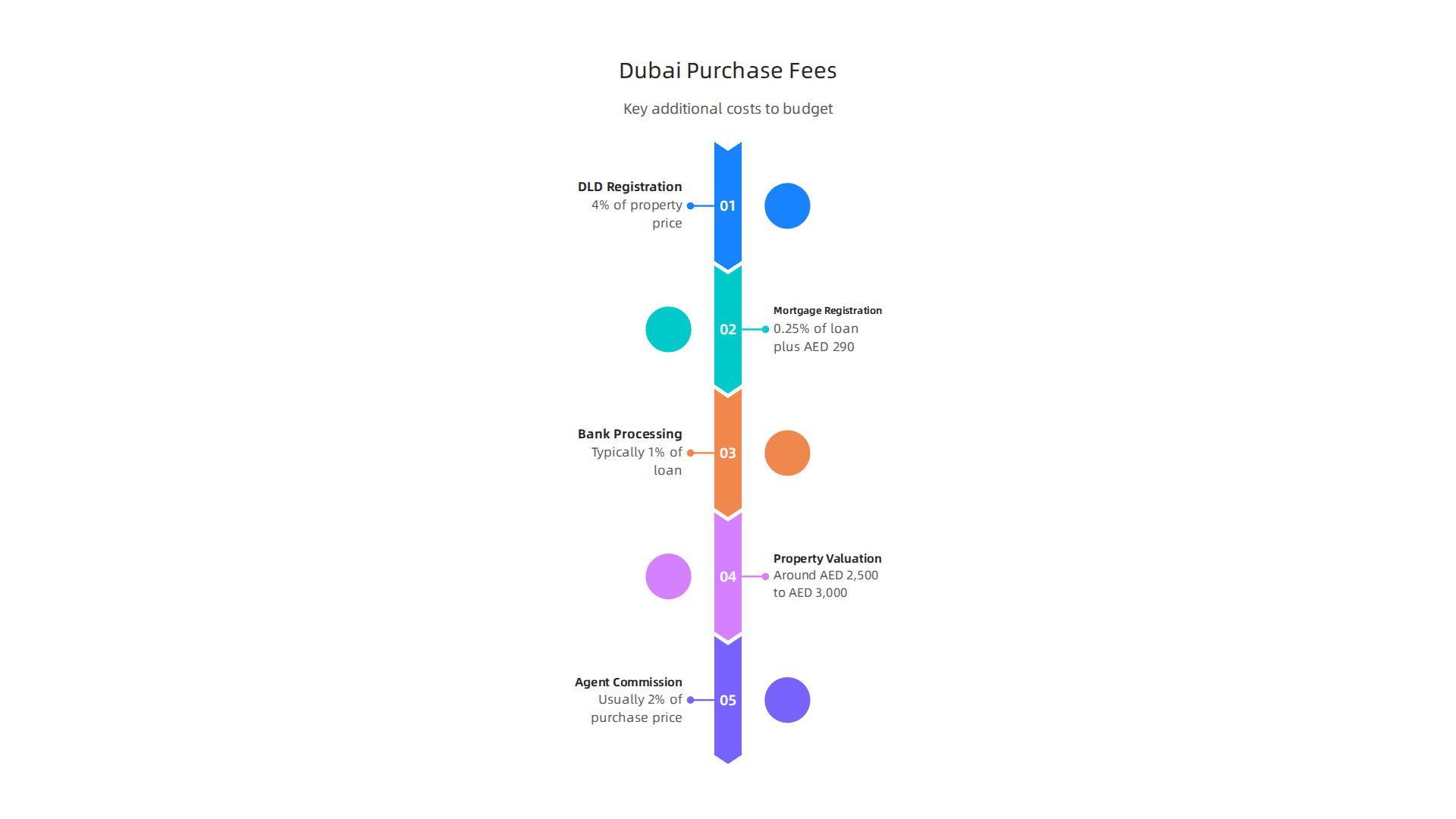
- DLD Registration Fee: 4% of the property price, paid to the Dubai Land Department
- Mortgage Registration Fee: 0.25% of the loan amount plus AED 290
- Bank Processing Fee: Typically 1% of the loan amount
- Property Valuation Fee: Around AED 2,500 to AED 3,000
- Agent Commission: Usually 2% of the purchase price
These fees add up quickly, so factor them into your total budget before you start searching. For a full breakdown of the buying process, check out this Dubai real estate market 2026 guide that covers prices, communities, and buying tips.
Preparing for Your Mortgage Application
Banks in Dubai look at your income, employment stability, and existing debts. You will need to provide salary certificates, bank statements, and a copy of your passport with valid visa. Non-residents usually need to show a higher down payment, often 30% to 40%, to get approved.
Getting pre approved for a mortgage before you start viewing properties is a smart move. It shows sellers and agents that you are a serious buyer, and it speeds up every dubai real estate transaction once you find the right place.
Ready to start your journey? Get a FREE Dubai Real Estate Consultation with Ayaz Salman to discuss your financing options and find the perfect property for your needs.
Future Outlook: Market Predictions for 2026 and Beyond
You have sorted your financing. You know the fees. Now comes the big question: what happens next? If you are planning a dubai real estate transaction in 2026, knowing where the market is headed helps you buy with confidence instead of guessing.

The Supply Pipeline: What Is Coming
Dubai’s development engine is running strong. Industry data shows that around 120,000 new residential units are scheduled for delivery during 2026. That sounds like a lot. And it is. But here is the twist: not all of those units will actually finish on time. Historical patterns tell us that actual handovers are almost always lower than the announced numbers. Project delays, phasing, and construction timelines slow things down.
In 2025, developers launched more than 150,000 new units, but most of those are set for completion in 2028 or later. That takes some pressure off the near-term supply picture. The government also keeps a hand on the wheel. If supply starts outpacing demand, authorities can slow down new project approvals. This flexibility helps prevent a dubai property market crash.
Price Forecasts for 2026
So what about prices? The double-digit jumps of the past couple of years are cooling off. But that does not mean a downturn is here.
According to the ValuStrat 2026 market outlook, citywide residential property values are projected to grow by about 10% this year. Villas are expected to lead the way with nearly 18% appreciation. Other analysts see a more moderate picture. The realistic range from most forecasters sits between 3% and 6% growth for the full year. That is still solid growth, just not the red-hot pace of 2024 and early 2025.
The best opportunities are in specific communities, not across the entire city. Areas like Dubai Hills Estate, Dubai Creek Harbour, and neighborhoods near the upcoming Metro Blue Line are expected to see the strongest demand. If you are looking to make a smart real estate dubai buy, focusing on these growth zones makes sense.
Global Factors That Matter
Dubai does not exist in a bubble. Interest rates in the US directly affect mortgage costs here because the dirham is pegged to the dollar. Higher rates mean higher borrowing costs, which can slow buyer activity. Oil prices also influence confidence and government spending across the region.
Geopolitical events can cause short-term uncertainty. But Dubai has shown strong resilience in recent years. The city keeps attracting international investors who see it as a safe and stable place for capital.
The Big Picture
The market is moving from rapid price jumps to steady, fundamentals-driven growth. That is actually a healthy shift. It means prices are supported by real demand from people who want to live and invest here, not just hype. If you plan a dubai real estate sale or purchase in 2026, the outlook is positive but tempered. Do not expect 20% gains. But do not expect a crash either.
For a deeper look at where prices are heading and which communities offer the best returns, check out this 2026 guide to Dubai real estate market trends.
Summary
This guide breaks down Dubai’s red‑hot 2026 real estate market using official data and expert analysis to help buyers and investors act with confidence. It explains why demand is strong—economic diversification, visa reforms and legacy Expo infrastructure—and which areas and property types are outperforming. You will find clear, step‑by‑step instructions for buying as an expat or investor, an overview of legal safeguards like escrow accounts and Oqood registration, and practical mortgage guidance including LTVs and fees. The article also highlights high‑yield neighborhoods, rising communities to watch, and realistic price forecasts for 2026. Read it to understand costs, timelines, and how to choose the right location or developer so you can make an informed purchase or sale without costly mistakes.